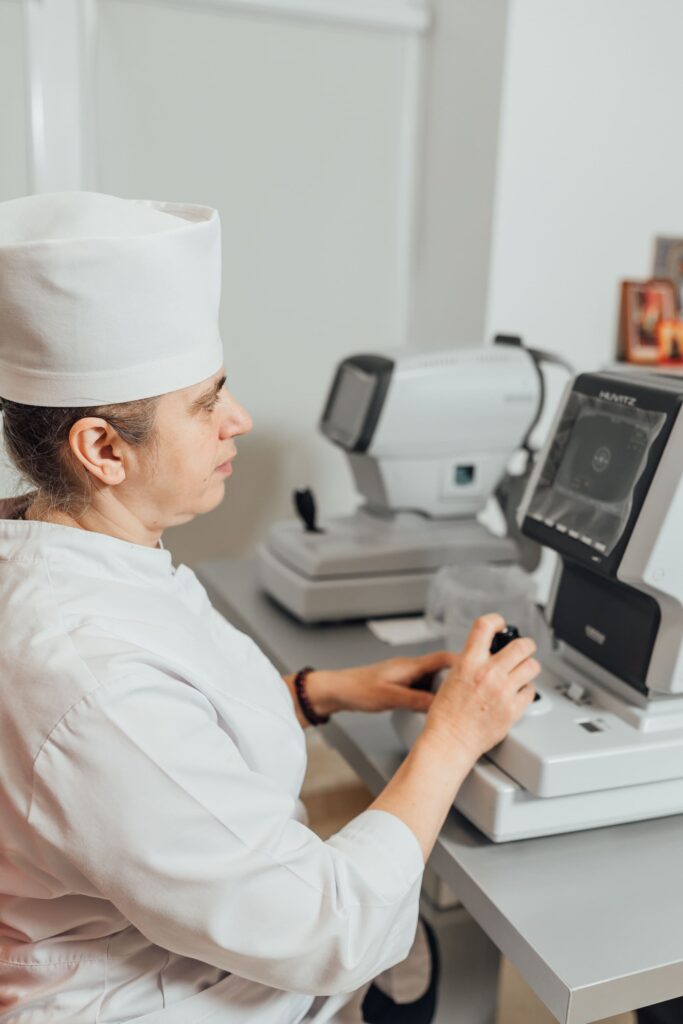
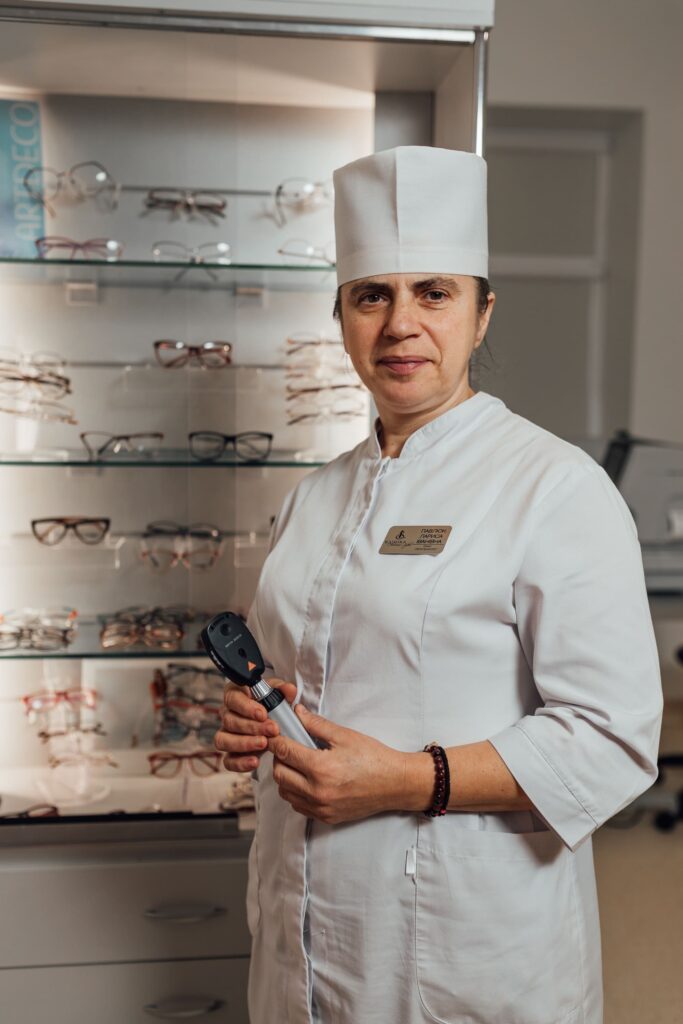
Many eye diseases develop subtly, without obvious symptoms. Increased information load, stress, physical inactivity, and eye fatigue due to prolonged work at a computer or mobile device are causes of vision deterioration. When it comes to vision, there’s no time to delay! Timely consultation with an ophthalmologist is the key to a favorable treatment outcome. At St. Luke’s Clinic, highly qualified specialists help patients of all ages preserve and restore eye health.
When is an ophthalmologist consultation needed
Regular check-ups are the best prevention for visual system diseases. Timely detection of pathology can prevent vision loss. People should usually visit an ophthalmologist once a year, but it is worth making an appointment immediately if there are problems such as:
redness of the eyes or eyelids
obvious vision deterioration
rapid fatigue and soreness of the eyes
foreign object in the eye
“floaters”, “halo” before the eyes
painful sensitivity of the eye to light (photophobia)
tearing
image distortion.
Many of these symptoms appear due to too frequent use of gadgets. During the consultation, the ophthalmologist will tell you about computer vision syndrome and methods of organizing work at the computer to preserve vision.
In addition to the problems listed above, there are a number of factors and diseases that also require a visit to an ophthalmologist:
Chronic diseases: diabetes mellitus, encephalitis, hypothyroidism, thyrotoxicosis, etc.
Pregnancy. All pregnant women are recommended to be examined in the first and third trimesters, as their body undergoes significant changes during pregnancy.
Injuries. Traumatic effects on the cervical spine, head, and eyes can lead to disorders in the functioning of the organ of vision.
Age. After reaching 45 years of age, it is recommended to visit an ophthalmologist more often than once a year, because at this age, age-related vision changes begin.
What diseases do ophthalmologists at St. Luke's Clinic treat?
cataract
strabismus
corneal diseases
glaucoma
hyperopia
myopia
various types of conjunctivitis
retinal detachment and vitreous destruction, etc.
The general ophthalmologist consultation procedure includes five stages:
Conversation. Treatment begins with an introduction to the doctor, who will listen to all complaints and ask additional questions to clarify details. When collecting anamnesis data, the specialist will be interested in how long ago the symptoms of the disease appeared, the presence of relatives with eye diseases, the specifics of professional activity, etc. Any detail, even the smallest, is important in treatment.
Examination. This stage begins with an assessment of visual acuity. The check is carried out using Sivtsev tables (tables containing combinations of seven different letters of different sizes, but equal in width and height). Then palpation (feeling) of the eyes and examination with a biomicroscope takes place. Depending on the complaints, additional tests may be prescribed.
Diagnostics. During this stage, the following are usually performed:
intraocular pressure assessment
fundus examination
study of visual field boundaries
study of light-refracting structures of the eye, etc.
If more precise diagnostics are needed, then eye biomicroscopy, assessment of corneal sensitivity, and binocular vision examination are used.