
Hysteroscopic resection for intrauterine synechiae and septa
Restoring uterine anatomy: a path to successful pregnancy
Intrauterine synechiae (adhesions) and septa are mechanical obstructions inside the uterus that often cause infertility, recurrent pregnancy loss, or menstrual cycle disorders. At St. Luke’s Clinic (Banchery village), we perform hysteroscopic resection — the gold standard for treating these pathologies, which allows restoring the normal structure of the organ without external incisions.
What are synechiae and septa?
- Intrauterine synechiae (Asherman’s Syndrome): These are adhesions of the uterine walls to each other, resulting from inflammation or traumatic interventions. They can partially or completely block the uterine cavity, making it impossible for a fertilized egg to implant.
- Septa (partitions): These are congenital developmental anomalies where the uterine cavity is divided into two parts by a tissue septum. This often leads to early miscarriages.
The essence of hysteroscopic resection method
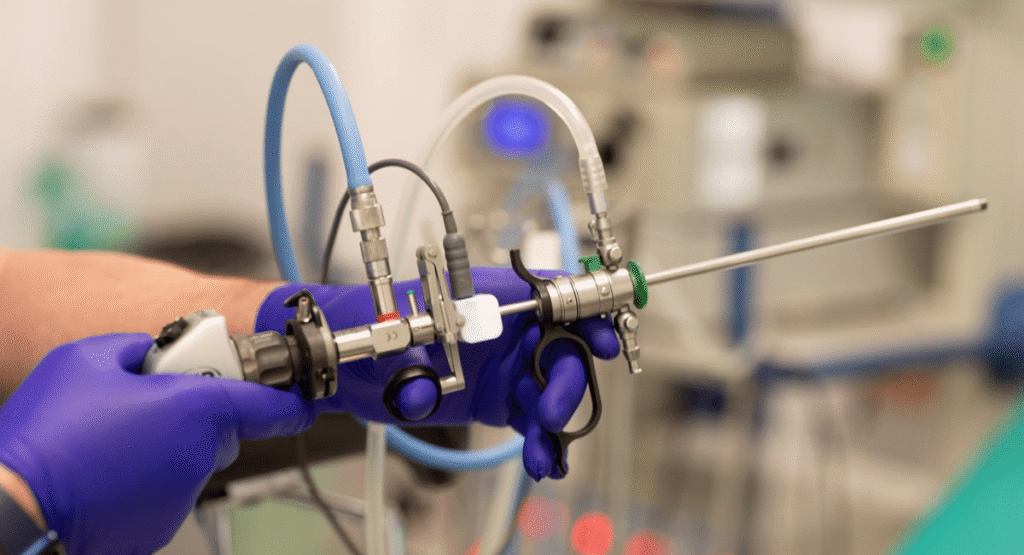
The operation is performed using a hystero-resectoscope — a thin instrument with a video camera and a microsurgical loop. The doctor inserts the instrument through the cervix, examines the cavity under high magnification on a monitor, and precisely dissects the adhesions or septum.
Advantages of the method at St. Luke’s Clinic:
- Minimally invasive: No scars on the body. Access is gained through the natural genital tract.
- Endometrial preservation: The high precision of optical equipment allows the surgeon to work exclusively with pathological tissue, without damaging the healthy endometrium, which is critically important for future pregnancy.
- Safety: The operation is performed under general anesthesia (medication-induced sleep) in a modern operating room.
- Fast rehabilitation: The patient can return home the day after the intervention.
Indications for surgery
- Diagnosed Asherman’s syndrome (presence of adhesions).
- Congenital uterine septum (complete or incomplete).
- Recurrent pregnancy loss.
- Uterine factor infertility.
- Hypomenorrhea (very scanty menstruation) or amenorrhea (absence of menstruation) due to uterine cavity adhesions.
Treatment outcome
The goal of hysteroscopic resection is to restore the correct anatomical shape of the uterine cavity. After successful dissection of synechiae and septa, the probability of natural conception and successful pregnancy significantly increases. Our doctors also prescribe a course of anti-relapse therapy to prevent the recurrence of adhesions.
St. Luke’s Clinic is a combination of high medical technologies and caring attitude towards women’s health. Schedule a consultation to take a step towards motherhood.