– are a large group of diseases that arise as a result of malignant transformation of cells.
When is an oncologist consultation needed
Sharp and significant weight loss
General weakness and lethargy
Subfebrile fever without obvious reasons
Severe pain in a part of the body
Detection of pathological seals of any localization
Ulceration or modification of moles that do not heal for a long time
Chronic bleeding (blood may be found in urine, feces, vomit, coughed up with cough) or other pathological discharges.
Of course, the presence of these manifestations does not always mean cancer, but it is an alarming sign. If you are concerned about at least one of the listed symptoms, you should definitely consult a doctor.
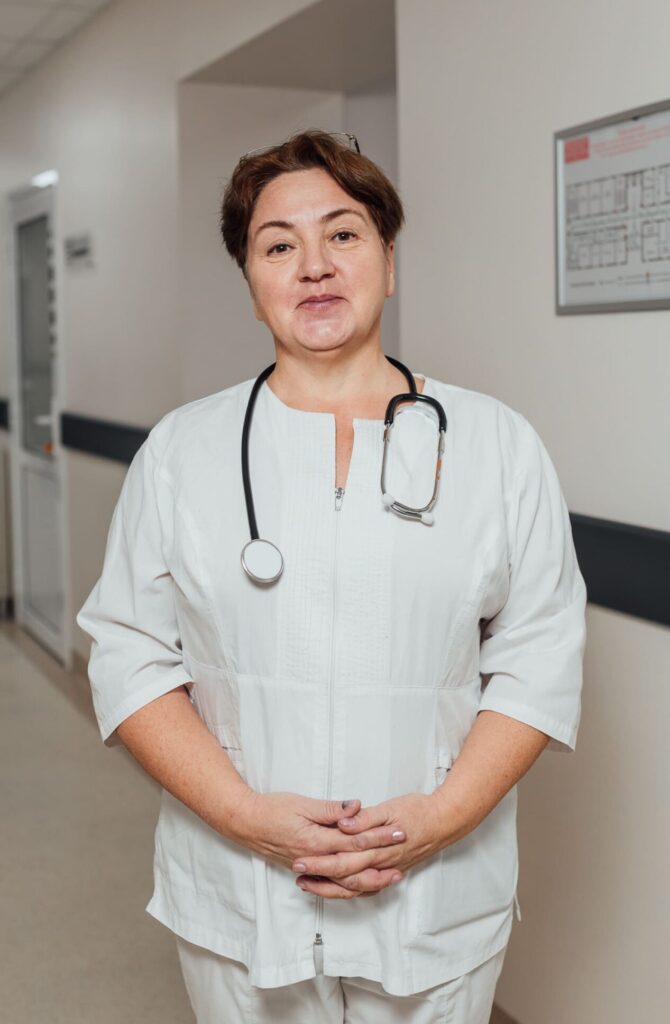
At St. Luke’s Clinic, you can undergo the necessary medical examination. Competent specialists will conduct diagnostics using modern technologies and prescribe the optimal treatment regimen, if necessary.
What awaits you at the initial consultation?
The oncologist will listen to complaints and conduct a detailed interview.
Then the doctor will conduct a subjective examination. It includes, first of all, visual inspection and palpation, as well as listening to the lungs and heart, measuring pulse and blood pressure.
The oncologist develops an individual plan for further diagnostics for each patient.
After that, it’s time for objective examination methods. These include instrumental and laboratory methods.
Instrumental diagnostic methods
Ultrasound (ultrasound examination). Allows to see neoplasms of the abdominal cavity and small pelvis organs. In addition, this examination takes very little time, is minimally invasive and causes minimal discomfort.
Standard X-ray examination. It is used less and less in practice due to the appearance of more functional tomographs. However, X-ray is an optimal choice if the patient has contraindications to other types of instrumental diagnostics. It is also worth noting that often it is a planned fluorography that allows detecting pathology of the lungs or mediastinum and starting therapy in time.
CT (computed tomography). A modern analogue of standard X-ray examination. The tomograph scans the human body layer by layer, allowing to obtain a clearer and more detailed image. If necessary, the computer program can convert the obtained image into a three-dimensional format. The apparatus best sees dense (bone and cartilage) tissues.
MRI (magnetic resonance imaging). Fundamentally differs from CT, as there is no X-ray radiation during the examination. The patient is placed in a magnetic field created by the apparatus, which has no radiation load. With the help of a magnetic resonance tomograph, any part of the human body can be examined, but it best visualizes soft tissues (muscles, brain, parenchymal organs – liver, pancreas, spleen).
Endoscopic examination. A kind of online examination using a small camera and a lighting device. It is an indispensable diagnostic method for diseases of the gastrointestinal tract. This type of examination allows detecting an oncological process of the stomach in the early stages, when only local cauterization of the pathological area will be sufficient for treatment.
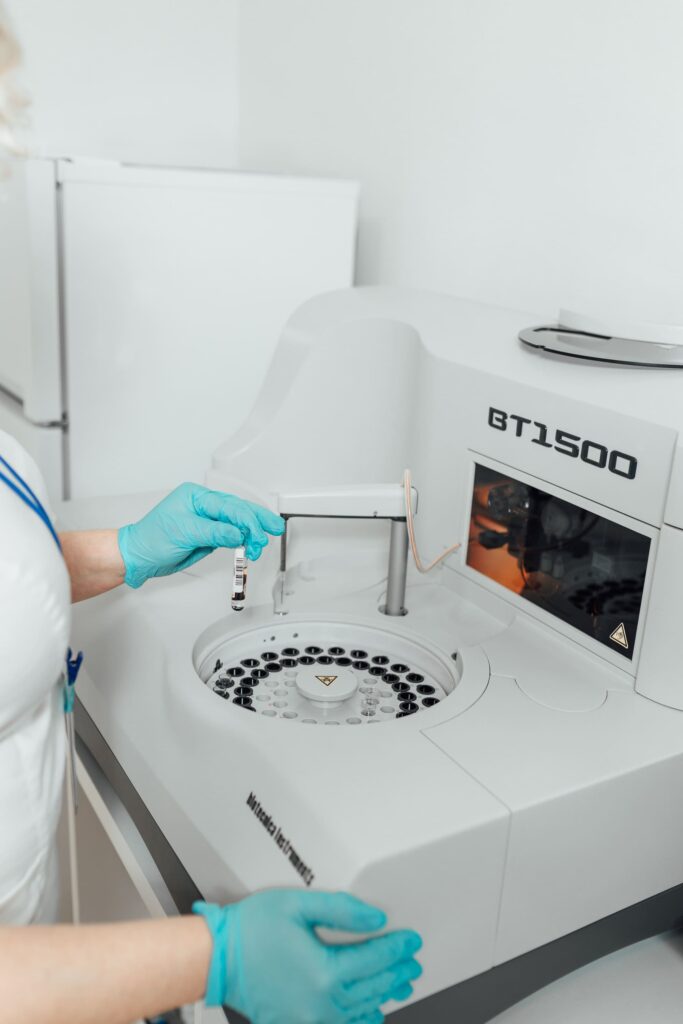
Laboratory diagnostic methods
Standard blood, urine, and stool tests.
Analysis of various biological fluids (bronchial lavage fluid, sputum, purulent discharge from ulcers, cerebrospinal fluid, and others).
Cytological analysis (assessment of the morphological structure of certain cells under a microscope). Material for examination is taken by smear, scraping, or puncture.
Histological analysis (examination of an entire tissue sample). It is usually performed during therapy to clarify the diagnosis and select the optimal treatment method.
After diagnosis, the doctor will immediately prescribe a therapy regimen. This may be chemotherapy, surgical intervention, or combined treatment.
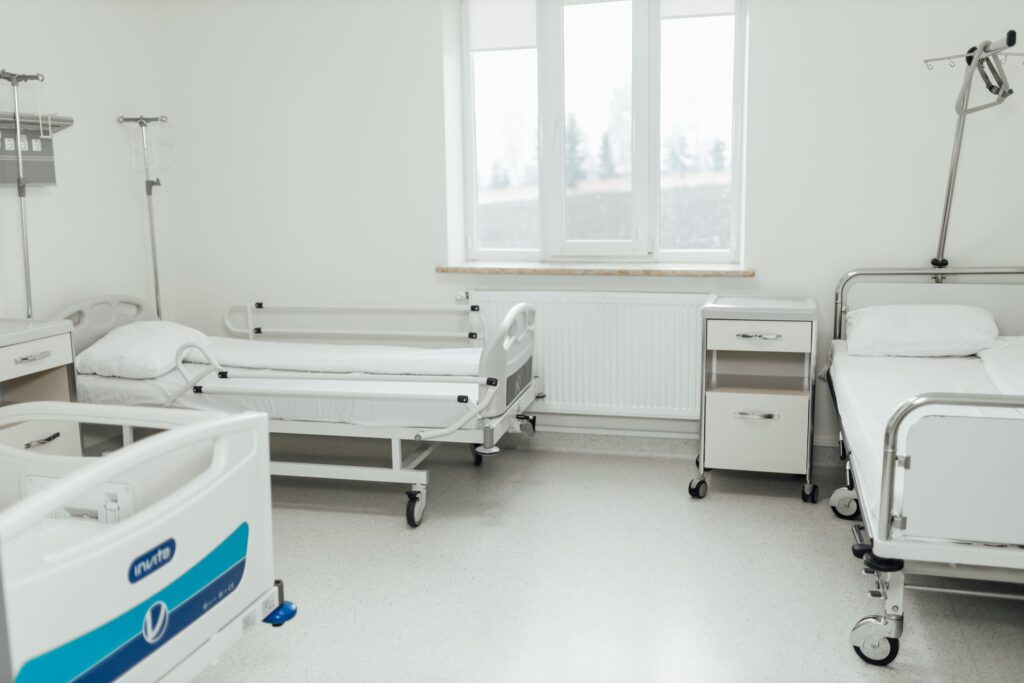
All types of treatment are carried out on the territory of our clinic. You will not have to worry about how to get to surgery or receive the necessary medications.