Laparoscopic Tubo-Oophorectomy (Removal of Uterine Adnexa)
Minimally Invasive Surgery of the Uterine Adnexa
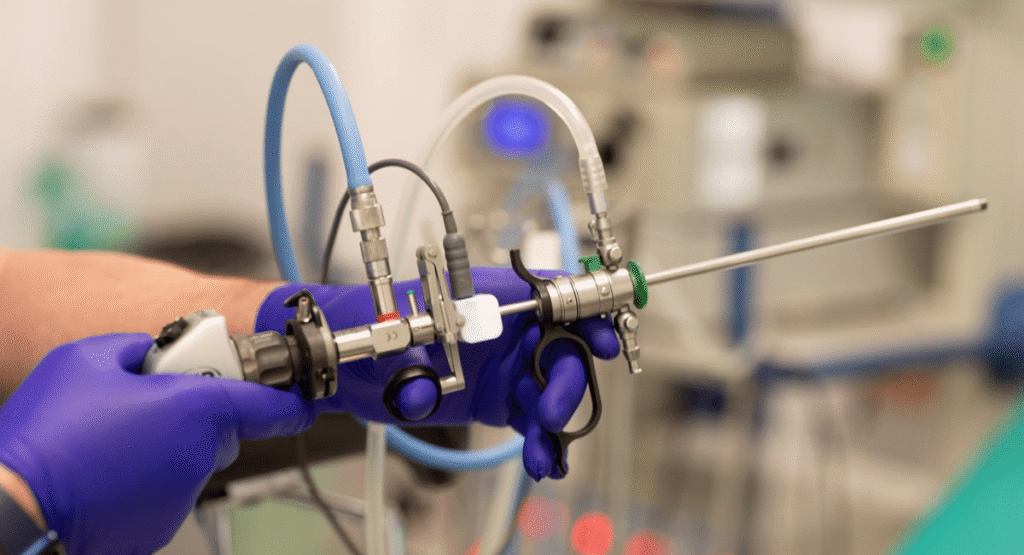
Laparoscopic tubo-oophorectomy is a surgical procedure to remove one or both ovaries along with the fallopian tubes. At St. Luke’s Clinic, we prefer the laparoscopic approach. This means that instead of a large incision on the abdomen, the surgeon makes only 3–4 miniature punctures. This approach ensures minimal blood loss, no coarse scars, and a quick return to normal life.
When is adnexal removal necessary?
Our clinic’s doctors always try to preserve organs, especially in women of reproductive age. However, there are situations when adnexal removal is necessary to preserve health and life:
- Large cystic formations or ovarian tumors that cannot be removed separately from the organ.
- Purulent inflammatory processes (tubo-ovarian abscesses) that do not respond to medical treatment.
- Adnexal torsion with tissue necrosis (death).
- Ectopic pregnancy of advanced terms with fallopian tube rupture and ovarian involvement.
- Endometriosis stage 3–4 with ovarian and fallopian tube involvement.
- Cancer prevention in postmenopausal women (with a high risk of ovarian or breast cancer).
Types of surgery: unilateral and bilateral
- Unilateral tubo-oophorectomy: Only the adnexa from one side (right or left) are removed.
- Important: The other ovary continues to function, producing hormones and eggs. The woman retains her menstrual cycle and the ability to conceive and give birth to a child.
- Bilateral tubo-oophorectomy: Removal of adnexa from both sides. Usually performed in women during menopause or when there are oncological indications.
Advantages of laparoscopy at St. Luke’s Clinic
- Aesthetics: The marks from the punctures (0.5–1 cm) become almost imperceptible over time.
- Accuracy: The use of optical equipment with HD imaging allows the surgeon to clearly see blood vessels and nerves, avoiding their damage.
- Comfort: Significantly less pain after surgery compared to classic surgery.
- Speed: Hospital stay usually lasts 1–2 days.
Recovery and life after surgery
After laparoscopy, rehabilitation is quick. Patients are allowed to get up on the evening of the surgery. Our doctors provide detailed recommendations for recovery and, if necessary, select hormone replacement therapy (for bilateral removal) to maintain the woman’s quality of life at a high level.
We care about your health and comfort. Schedule a consultation with the leading gynecological surgeons at St. Luke’s Clinic.