Laparoscopic Myomectomy (Fibroid Removal with Uterine Preservation)
Get rid of fibroids while preserving women’s health
Laparoscopic myomectomy (conservative myomectomy) is a modern organ-preserving surgery aimed at removing fibroid nodes while preserving the uterine body. At St. Luke’s Clinic, we perform this intervention through miniature punctures on the abdomen, which allows women to avoid large scars, adhesive processes, and quickly return to an active life.
Why is it the “gold standard” for women planning pregnancy?
The main advantage of myomectomy is the preservation of reproductive function. Unlike hysterectomy (removal of the uterus), this operation is aimed exclusively at eliminating pathological nodes. After the uterine scar heals (usually after 6–12 months), the patient can plan pregnancy and childbirth.
When is laparoscopic myomectomy indicated?
Our gynecologists recommend surgical treatment in the following cases:
- Node size: Large fibroids (over 3–4 cm) that deform the uterus.
- Symptoms: Heavy menstruation, bleeding leading to anemia, or chronic pelvic pain.
- Impact on adjacent organs: The node presses on the bladder (frequent urination) or rectum.
- Infertility: If myoma prevents pregnancy or provokes miscarriages.
- Rapid growth: The tumor significantly increases in size in a short time.
Advantages of surgery at St. Luke’s Clinic
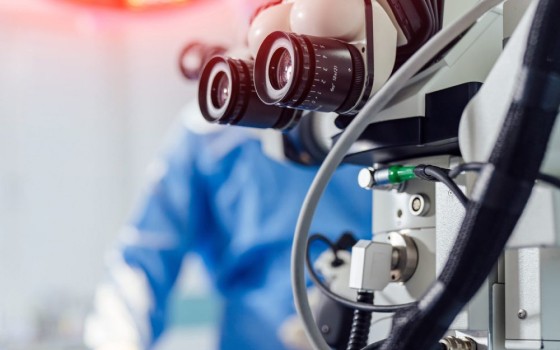
We use advanced endoscopic equipment with high resolution (Full HD/4K), which guarantees the jeweler’s precision of the surgeon’s movements.
- Cosmetic effect: Instead of an incision (as in a C-section) — only 3–4 inconspicuous punctures of 0.5–1 cm.
- Minimal adhesions: Laparoscopy significantly reduces the risk of adhesion formation in the abdominal cavity, which is critically important for fallopian tube patency and future pregnancy.
- Fast rehabilitation: You can get up on the day of the operation. Hospital stay usually lasts 2–3 days.
- Quality suture: Our surgeons use modern suture materials for reliable restoration of the uterine wall, which is important for its strength during pregnancy.
How is the treatment performed?
The operation is performed under general anesthesia. The surgeon inserts instruments through punctures, carefully enucleates the nodes from the muscular wall of the uterus, and removes them from the abdominal cavity using a morcellator (tissue grinder). The node bed is carefully sutured.
After the operation, you will be in a comfortable ward under the supervision of caring medical staff. Upon discharge, the doctor will provide individual recommendations for recovery and planning motherhood.
Make a choice in favor of health and the future. Schedule a consultation with the leading surgeons of St. Luke’s Clinic.